
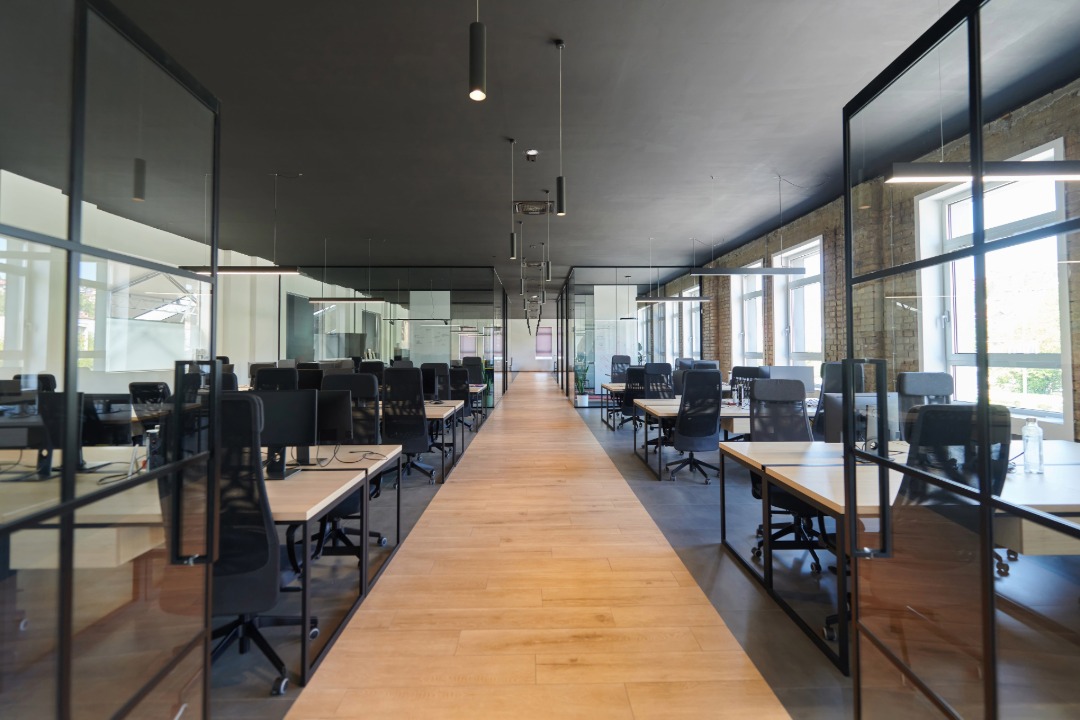
A workspace that looks beautiful but does not function well is just a showroom. A workspace that functions well but looks dull is a place people tolerate, not enjoy. The real challenge in office interior design is building a space that does both. One where the layout supports daily workflows, the furniture keeps people comfortable, and the visual environment inspires them to do their best work.
Most offices lean too far in one direction. Some spend heavily on premium finishes and statement furniture but ignore traffic flow, acoustic privacy, and storage. Others prioritize pure function and end up with sterile environments that feel more like warehouses than workplaces. Neither approach serves the business or its people well.
This guide lays out a practical, step-by-step approach to designing a workspace that balances function and aesthetics. It covers layout, furniture, materials, color, lighting, and finishing touches. Every recommendation is grounded in what actually works for Indian businesses operating in 500 to 5,000 square foot office spaces.
Start with Function. Layer Aesthetics on Top.
The order matters. Function comes first because a beautiful office that does not support how people work will fail within months. Employees will create workarounds, clutter will accumulate in unplanned spots, and the design intent will dissolve under the pressure of daily reality.
Begin by mapping the activities your office needs to support. Individual focused work. Collaborative group sessions. Client meetings. Phone calls. Breaks and informal conversations. Each of these needs a designated zone with the right conditions. Focused work needs quiet and minimal visual distraction. Collaboration needs open space and writable surfaces. Meetings need enclosed rooms with good acoustics. Breaks need comfortable, informal seating.
Once you have the functional framework, aesthetics become the layer that ties everything together. Color, material, texture, and lighting unify the zones into a cohesive visual experience. The key is that design choices should enhance function, not compromise it. A glass partition between the meeting room and the open floor looks great and lets light through. But if it provides no acoustic isolation, it fails the functional test for private conversations.
Choose a Layout That Serves Your Team
The office layout is the foundation of both function and visual flow. A cluttered or illogical layout cannot be rescued by expensive furniture or designer paint colors.
For most Indian offices in the 1,000 to 3,000 square foot range, a hybrid layout works best. Place open workstations in the core of the space where they get the most natural light. Position enclosed rooms like meeting areas and phone booths along interior walls or corners where they do not block light from reaching the open floor. Keep the reception and social zones near the entrance so visitors experience the most curated part of the office first.
Think about sightlines. When someone walks in, what do they see? A clear path to reception, a visible sense of order, and a glimpse of the workspace beyond creates a strong first impression. Avoid placing storage walls, server racks, or cluttered desks in the direct line of sight from the entrance.
Circulation paths should feel natural. People should be able to move from their desk to the pantry, the meeting room, or the bathroom without squeezing past chairs or navigating dead ends. Good office space planning accounts for these paths before placing a single piece of furniture.
Select Furniture That Balances Comfort and Style
Furniture is where function and aesthetics intersect most visibly. A chair that looks striking but causes back pain after two hours is a design failure. A desk that is perfectly ergonomic but clashes with every other element in the room is a visual failure. The goal is furniture that does both jobs well.
Modular office furniture gives you the widest range of functional and aesthetic options. Because modular systems are manufactured in controlled factory environments using precision machinery, they offer clean lines, consistent finishes, and exact dimensions. This level of precision is difficult to achieve with on-site carpentry, where each piece is made by hand and variations in fit, finish, and alignment are common.
For workstations, look for desks with slim profiles, integrated cable management, and options for monitor arms and keyboard trays. These features keep the work surface clean and organized, which is both functionally useful and visually appealing. A desk covered in tangled cables and stacked papers looks messy regardless of how premium the material is.
For seating, choose ergonomic chairs that offer adjustability without looking clinical. Many modern ergonomic chairs come in fabric, mesh, or leather finishes with color options that complement your office palette. Spending Rs 6,000 to Rs 15,000 per chair gets you commercial-grade comfort with a professional look that lasts three to five years of daily use.
Meeting tables, reception counters, and break area seating should share a consistent design language. Matching wood tones, coordinated metal finishes, and a unified color palette across all office furniture interiors create visual harmony. This does not mean everything must be identical. It means the pieces should feel like they belong in the same room.
Use Color as a Design Tool
Color shapes how people feel in a space. It influences mood, energy, and even perceived room size. In workspace design, color should be intentional rather than decorative.
Start with a neutral base. Whites, warm greys, and soft beiges work well for walls, ceilings, and large furniture surfaces. These tones reflect light, make rooms feel more open, and provide a clean backdrop for everything else.
Introduce accent colors strategically. A deep blue or teal wall in the meeting room promotes focus and calm. A warm terracotta or mustard tone in the break area creates energy and informality. Green tones in focus zones pair well with indoor plants and reinforce a connection to nature.
Avoid painting every wall a different color. In small to mid-sized offices, this fragments the space and makes it feel chaotic. One or two accent walls per floor are enough to add character without overwhelming the senses. Let the furniture, artwork, and plants carry the secondary color story.
For Indian offices where natural light varies significantly between monsoon season and summer, warmer tones tend to work better year-round than cool greys, which can feel flat on overcast days.
Master Lighting for Mood and Function
Lighting is one of the most powerful tools in office interior design. It affects visibility, mood, energy, and even the way colors appear. Yet it is one of the most commonly neglected elements in office buildouts.
Maximize natural light first. Position desks perpendicular to windows rather than facing them directly, which causes screen glare. Use glass partitions or half-height walls between zones to let light travel deeper into the floor plan. Sheer blinds or frosted film manage harsh afternoon sun without blocking light entirely.
For artificial lighting, use a layered approach. Ambient lighting from ceiling panels provides even base illumination. Task lighting at individual desks gives focused brightness where it is needed. Accent lighting near artwork, plants, or reception areas adds warmth and visual interest.
LED panel lights with adjustable color temperature are now standard in Indian commercial interiors. Set them to cooler tones during the morning for alertness and warmer tones in the late afternoon to reduce eye strain. This small adjustment makes a noticeable difference in how the office feels throughout the day.
Bring in Natural Materials and Textures
Flat, uniform surfaces make offices feel sterile. Texture adds visual depth and warmth without adding clutter.
Wood is the most versatile natural material for office design. It works as desk surfaces, wall panels, storage fronts, and shelving. Light oak and maple tones suit modern, minimal aesthetics. Darker walnut and teak tones bring warmth to more traditional settings. Factory-manufactured modular furniture with precision-applied wood laminates or veneers delivers this look consistently across every piece in the office.
Stone or stone-effect finishes work well for reception counters and feature walls. Fabric upholstery on chairs, acoustic panels, and meeting room seating softens the visual and acoustic character of the space. Jute, linen, and cotton textures add an organic quality that synthetic materials cannot replicate.
Indoor plants remain one of the simplest and most effective aesthetic additions. They break up hard lines, introduce natural color, and improve air quality. Snake plants, pothos, and ZZ plants thrive in typical Indian office conditions and need minimal attention.
Integrate Storage Without Visual Clutter
Nothing undermines a well-designed office faster than visible clutter. Files on desks, supplies stacked in corners, and overflowing bookshelves turn an aesthetic space into a stressful one.
The solution is integrated storage. Wall-mounted cabinets, under-desk pedestals, and modular shelving systems keep everything accessible but out of sight. Choose storage with clean, handleless fronts that blend into the wall or match the desk finish. This creates a seamless look where storage feels like part of the architecture rather than an afterthought.
For shared storage, a single well-organized wall unit is better than scattered cupboards. Centralize files, supplies, and equipment in one zone and keep individual workstations minimal. This approach works especially well in compact offices where every square foot of visual and physical space counts.
Add Finishing Touches That Reflect Your Brand
The final layer of a functional and aesthetic workspace is personality. This is where your brand identity, company culture, and team character come through.
A simple logo at reception, a timeline wall showing company milestones, or framed images of completed projects all create a sense of place. Art prints, textured wall hangings, or curated photography add visual interest to corridors and common areas.
Holzbox, as an end-to-end modular interiors manufacturer, builds office furniture interiors that integrate these finishing elements directly into the design. From branded reception desks to custom panel finishes, everything is produced in-house to match the aesthetic vision without relying on third-party fabricators. This factory-level control ensures that what you see in the 3D render is exactly what arrives on site.
The best finishing touches are the ones that feel intentional but not overdone. A single statement piece in the reception area, a carefully chosen rug under the meeting table, or a well-placed pendant light over the break area can elevate the entire space without adding noise.
Frequently Asked Questions
Q1. How do you balance function and aesthetics in office design?
Start by mapping the functional requirements of your workspace first. Identify zones for focused work, collaboration, meetings, and breaks. Design each zone to serve its purpose effectively with the right furniture, acoustics, and layout. Then layer aesthetics on top through color, materials, lighting, and finishing touches. The key principle is that every design choice should enhance function, not compromise it. A glass partition that looks beautiful but leaks sound into a meeting room fails the balance test.
Q2. What makes a workspace look professional and inviting?
Consistency in design language is the biggest factor. Matching wood tones, coordinated color palettes, and uniform furniture finishes across the office create visual harmony. Add warmth through natural materials like wood, fabric, and plants. Use layered lighting instead of harsh overhead fluorescents. Keep surfaces clean and storage hidden. These simple choices make a workspace feel both polished and welcoming without requiring a luxury budget.
Q3. Is modular furniture good for aesthetic office design?
Yes. Factory-manufactured modular office furniture offers cleaner lines, more consistent finishes, and tighter dimensional accuracy than on-site carpentry. Modern modular systems come in a wide range of wood tones, laminate colors, metal finishes, and fabric options. This variety allows you to build a visually cohesive office where every workstation, storage unit, and meeting table shares the same design language. The precision of factory production also means no visible gaps or uneven edges that can undermine the aesthetic.
Q4. What colors work best for a modern Indian office?
Neutral base tones like soft white, warm grey, and light beige work best for walls and large surfaces. They reflect light and make smaller offices feel more spacious. Add accent colors strategically. Deep blue and teal suit meeting rooms. Warm mustard and terracotta work well in break areas. Green tones pair naturally with indoor plants. Avoid too many competing colors on one floor. One or two accent walls per space is sufficient to add character without visual chaos.
Q5. How much should a small business budget for an aesthetic office setup?
For a 1,000 square foot office in India, a mid-range fitout that balances function and aesthetics costs between Rs 12 and Rs 25 lakh. This covers modular furniture, flooring, false ceiling, lighting, partitions, paint, and basic branding elements. Prioritize spending on ergonomic chairs, quality desks, and good lighting. These three elements have the highest impact on both daily comfort and visual impression. Save on finishes by choosing well-made laminates over premium veneers for back-office areas.