
Modular Kitchen Design for 12x12 Kitchen
144 square feet of possibility. Island layouts, dedicated cooking zones, and factory-built precision for spacious Indian kitchens.
WHAT WE OFFER
A 12×12 kitchen gives you something rare in Indian homes. Space to breathe. At 144 square feet, this footprint supports layouts that smaller kitchens simply cannot accommodate. Islands with seating. U-shaped configurations with wide walkways. Dedicated zones for cooking, washing, prepping, and storing that do not overlap or crowd each other. The modular kitchen design for a 12×12 kitchen is not about saving space. It is about using space with intention.
This size is typical in premium 3BHK apartments, independent houses, and villas across Indian cities. It accommodates 30 to 36 running feet of cabinetry across most layouts. Built-in ovens, dishwashers, and large-capacity refrigerators integrate cleanly into the module plan. Every unit is manufactured in-house at our Hyderabad factory using CNC machinery and automated edge banding. No outsourced assembly. No dealer markups. Holzbox delivers these kitchens pan-India with the same factory-floor precision regardless of destination. Begin with a site measurement to explore what 144 square feet can become.
Why Choose US
Designed for kitchens that have room to do more
Multi-Zone Planning
Cooking, washing, prep, and storage each get dedicated counter runs. No shared surfaces. No cross-traffic during busy meal times.
Island-Ready Layouts
144 square feet supports a full island with seating. Prep, serve, and dine in one central surface with storage beneath.
Built-In Appliance Fit
Tall units house ovens, microwaves, and dishwashers flush with the cabinet line. Every appliance slot is measured to exact model dimensions.
CNC Factory Precision
Higher module counts demand tighter tolerances. Every panel is machine-cut and edge-sealed under factory conditions. No site-built guesswork.
Premium Finish Range
Acrylic, PU-coated, veneer, and back-painted glass shutters all suit this kitchen size. Larger surface areas let premium finishes make full impact.
Pan-India Installation
Factory-built modules ship safely across India. Trained teams handle on-site fitting. Same quality in Hyderabad, Delhi, Mumbai, or any other city.
Our Services
Services We Offer
The U-shaped layout runs cabinets and counters along three walls. In a 12×12 kitchen, this creates approximately 36 running feet of workspace and storage. The central walkway measures a comfortable 5 to 6 feet wide. Drawers and cabinet doors open freely without blocking movement. Each wall handles a distinct function. One for cooking with the hob and chimney. One for the sink and dishwasher. The third for storage, a tall pantry, or a microwave unit.
This layout delivers the highest cabinet volume of any configuration and suits families who cook multiple meals daily. In 144 square feet, it never feels enclosed because the wide aisle and overhead clearance maintain an open sightline. Corner mechanisms on both junctions recover space that fixed shelves would waste. Loft units above the wall cabinets use the full ceiling height. For households that value storage above all else, the U-shaped layout in a 12×12 room is the most efficient use of every available wall.
An L-shaped cabinet run along two walls paired with a central island creates a layout that balances openness with functionality. In a 12×12 kitchen, the island typically measures 5 to 6 feet long and 2.5 feet deep. It sits with at least 3.5 feet of clearance on all accessible sides. The island serves as a prep counter, casual breakfast surface, or serving station. Open shelves or closed cabinets underneath add base-level storage.
This layout is popular in open-plan homes where the kitchen connects visually to the dining or living area. The island creates a natural boundary without closing off the room. The L-shaped run holds the hob, sink, and primary storage. The island handles overflow prep and keeps the main counters clear. Quartz or granite tops on the island match or contrast the main countertop for visual interest. Factory production ensures the island module aligns with the wall cabinets in material, hardware, and finish consistency.
The parallel layout places two counter runs on opposite walls. In a 12×12 room, each run spans 12 feet and the aisle between them measures about 5 feet. Adding a breakfast bar at one end of a counter run extends the surface outward by 12 to 15 inches and creates a casual two-seat dining spot. This bar does not reduce walkway width because it sits at the room’s entry end, outside the primary work zone.
This configuration separates the cooking zone from the washing and storage zone across facing walls. Two people can work simultaneously without interference. The breakfast bar turns morning tea and quick meals into in-kitchen experiences rather than formal dining. A wall-mounted shelf unit or open rack above the bar holds mugs and frequently used items. Factory-made modules ensure both parallel runs are identically levelled and aligned, which is critical for visual symmetry across a 12-foot span.
The G-shaped layout extends a U-shape by adding a peninsula or partial fourth wall. In a 12×12 kitchen, the peninsula projects about 4 feet inward from one wall, creating an enclosed cooking zone with a pass-through opening. This layout offers the maximum possible counter area and cabinet count. The peninsula doubles as a serving ledge between the kitchen and an adjacent dining space.
This design suits independent homes and villas where the kitchen connects to a dining hall through a wide opening. The peninsula acts as a visual divider without isolating the cook from guests. Base cabinets on the peninsula side add significant storage. An overhang of 10 to 12 inches on the dining side allows bar stools for informal seating. The G-shape requires precise module planning because four distinct cabinet runs must align at corners. Factory manufacturing with CNC accuracy handles this alignment challenge cleanly.
Placing the hob on the island frees the wall counters entirely for prep, washing, and storage. In a 12×12 kitchen, the island needs to be at least 6 feet long and 3 feet deep to safely accommodate a 3 or 4 burner hob with adequate counter space on both sides. A downdraft chimney or ceiling-mounted hood handles ventilation. Electrical and gas points are routed through the floor during the civil stage.
This layout transforms the kitchen into a social cooking space where the cook faces the room instead of a wall. It is ideal for families who entertain often or enjoy cooking together. The wall run behind the island handles the sink, dishwasher, tall storage, and overhead cabinets. Factory-built modules ensure the island unit is structurally rigid and perfectly level since it stands independently without wall support. Countertop joints between island and wall runs are finished seamlessly for a unified look.
An open-plan kitchen removes the wall between the cooking area and the living or dining room. In a 12×12 configuration, the kitchen modules typically run along two walls while the open sides connect to the larger living space. A low peninsula or island marks the visual boundary. This layout makes the entire home feel significantly more spacious and allows conversation to flow freely between rooms.
Open-plan designs require extra attention to ventilation. A powerful chimney with 1200 to 1500 cubic metres per hour suction prevents cooking odours from spreading into living areas. Shutter finishes must match the aesthetic tone of the adjoining rooms since the kitchen is always visible. Handleless designs, matte or satin finishes, and integrated appliances maintain a clean look from every angle. Factory-built precision keeps every visible edge and joint tight, which matters when the kitchen is on constant display.
How We Work
Your Vision. Our Process. One Seamless Journey.
01
CONSULTATION & PLANNING
We visit your 12×12 kitchen space, take laser measurements of all walls, and map window, door, plumbing, and electrical positions. Your cooking habits, family size, and layout preferences guide the initial plan.
02
DESIGN & MATERIAL SELECTION
A full 3D layout is created to scale. You review layout options, shutter finishes, countertop samples, hardware brands, appliance slots, and accessory configurations before making any commitment.
03
QUOTATION & APPROVAL
Every module, accessory, and service is listed as a separate line item. Carcass, shutters, countertop, hardware, tall units, island module, and installation each carry their own cost. Nothing is bundled.
04
MANUFACTURING & QUALITY CONTROL
All modules are CNC-cut and factory-finished. Edge banding, hinge boring, and shutter application happen under controlled conditions. Dimensional accuracy is checked on every unit before packaging.
05
Delivery & Installation
Pre-built modules arrive on-site and are installed in 5 to 7 days for a full 12×12 kitchen. Levelling, plumbing connections, appliance fitting, and a detailed client walkthrough complete the handover.
THE BLOG
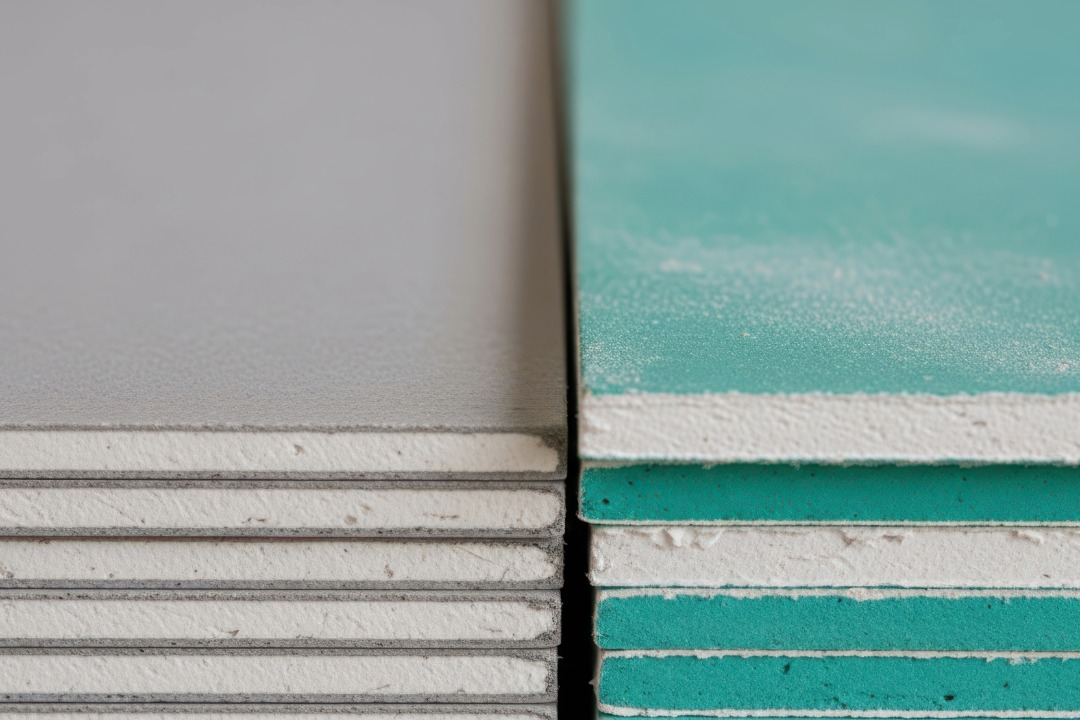
What Is HDHMR Board and Why Is It Replacing Plywood in Kitchens?
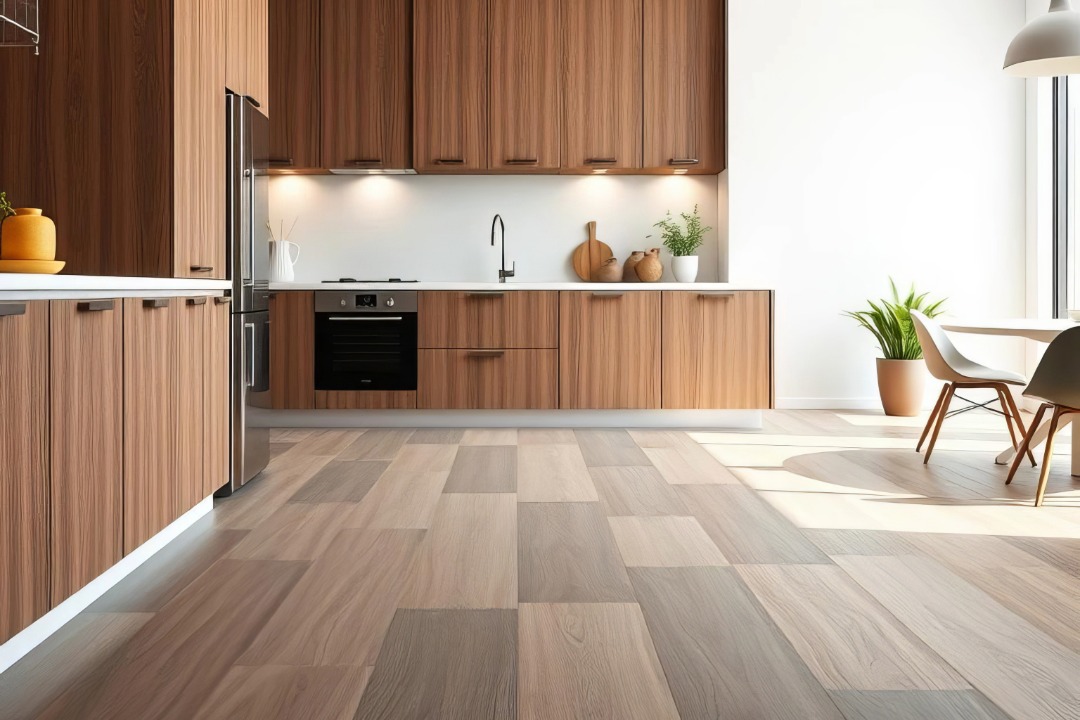
Waterproof and Humidity-Resistant Kitchen Materials for Coastal and Humid Cities
Testimonials
“Our 12x12 U-shaped kitchen has cabinets on three full walls and a tall pantry unit next to the fridge. My wife and I cook simultaneously every evening. The 5-foot walkway between the counters means we never have to squeeze past each other. Storage is genuinely not a problem anymore.”
“The 3D render they showed us was identical to the final kitchen. Every cabinet, every countertop seam, even the chimney position matched. With this many modules in a 12x12 room, even a small alignment error would stand out. Nothing was off. The factory precision is evident in every joint.”
“We wanted a G-shaped layout with a peninsula that doubles as a serving counter toward the dining room. It sounded complicated but the design team mapped it out in the first meeting itself. The peninsula has base storage on the kitchen side and a granite overhang with stools on the dining side. It works exactly as planned.”
“Installation for our entire 12x12 kitchen took six days. The team arrived with pre-built modules stacked on a truck. By day three, the base cabinets and countertop were done. Days four and five were wall units and the island. Day six was hardware adjustment and cleanup. We cooked dinner that same evening.”
“We went with an open-plan layout where the kitchen flows into the living room. The handleless matte grey shutters match our living room furniture tone perfectly. Since the kitchen is always visible to guests, the seamless finish and flush edges matter more than they would in a closed kitchen. Zero complaints after ten months.”
“The built-in oven and microwave sit inside a tall unit next to the fridge. Everything is flush with the cabinet line. No appliance sits on the counter anymore. The cooktop is on the island and the downdraft chimney keeps the space clear above. It looks nothing like a typical Indian kitchen and that was exactly the point.”
FAQ's
A 12×12 kitchen measures 12 feet by 12 feet, giving you 144 square feet of total floor area. In Indian residential construction, this is considered a spacious kitchen. It is commonly found in premium 3BHK apartments, independent houses, builder floors, and villas. At 144 square feet, you have enough room for U-shaped, island, G-shaped, and open-plan configurations. The wall perimeter offers up to 48 running feet of potential cabinetry placement. Even after deducting door and window openings, 30 to 38 feet of usable cabinet run is typical. This size supports dedicated cooking, washing, prep, and storage zones without any zone overlapping another. It is the threshold where multi-zone planning becomes practical.
The best layout depends on your cooking routine and how many people use the kitchen simultaneously. A U-shaped layout maximizes storage and counter space by utilizing three walls. An L-shape with island suits open-plan homes where you want a central prep surface with seating. A parallel layout with a breakfast bar creates two efficient work zones with a casual dining spot. A G-shape adds a peninsula for extra counter area and a pass-through to the dining room. An island kitchen with a hob on the island is ideal for social cooking where the cook faces the room. In 144 square feet, all these layouts maintain comfortable walkway clearances of 4 to 6 feet. A design consultation with exact room measurements helps you choose the configuration that fits your space and lifestyle.
A modular kitchen for a 12×12 space typically costs between 3 lakh and 8.5 lakh in India. A mid-range U-shaped or L-shaped kitchen with BWR plywood carcass, laminate shutters, granite countertop, and Hettich hardware falls in the 3.5 to 5 lakh range. Adding an island module increases the cost by 50,000 to 1.5 lakh depending on size and countertop material. Premium kitchens with acrylic or PU-coated shutters, quartz countertops, Blum hardware, and full accessory sets range from 5 to 8 lakh or higher. Built-in appliance tall units add to the total based on configuration. Factory-direct purchasing from a manufacturer saves 15 to 25 percent compared to branded showroom pricing for equivalent materials and hardware.
Yes. A 12×12 kitchen comfortably supports an island. The recommended minimum island size is 4 feet long by 2.5 feet deep. In a 144 square foot room with an L-shaped wall run, this leaves 3.5 to 4.5 feet of clearance on all accessible sides. That clearance is sufficient for comfortable movement, drawer operation, and appliance door swings. The island can serve as a prep counter, breakfast bar, or even house a hob with a downdraft chimney. Storage beneath the island adds base cabinets or open shelving. For a larger island of 6 feet with seating on one side, the wall cabinetry is pulled slightly tighter to maintain walkway widths. Your designer maps these dimensions during the layout phase to ensure nothing feels cramped.
A 12×12 kitchen typically includes 18 to 28 individual modules depending on layout. With this many units, alignment consistency becomes critical. A single module that is 2 millimetres off in depth or height creates a visible misalignment when placed next to 25 others. Factory manufacturing on CNC machines holds tolerances that hand carpentry cannot match. Edge banding is applied by automated machines that seal every exposed surface uniformly. Hinge bore positions are identical across hundreds of doors. Shutter finish colour is batch-matched to avoid shade variations between modules produced on different days. For large kitchens, factory precision is not a luxury. It is a structural necessity. The more modules a kitchen has, the more the difference between factory-built and site-built quality becomes visible.
Zone planning in a 144 square foot kitchen follows a simple principle. Keep wet and dry activities on separate counter runs. The cooking zone holds the hob, chimney, spice pullout, and oil storage. The washing zone holds the sink, dish drainer, under-sink organizer, and dishwasher if applicable. The prep zone needs clear counter space of at least 3 to 4 feet for chopping, mixing, and plating. A fourth zone for dry storage houses grain containers, bulk supplies, and rarely used appliances. In a U-shaped layout, three walls handle three zones naturally. In an L-shape with island, the island becomes the dedicated prep zone. Zone separation reduces cross-traffic, prevents clutter, and makes cleanup faster after meals.
A 12×12 kitchen has enough surface area for premium finishes to make a genuine visual impact. Acrylic shutters deliver high-gloss reflections that look striking across long cabinet runs. Matte or satin acrylic offers the same depth without fingerprint visibility. PU-coated shutters allow custom colour matching and create an ultra-smooth seamless surface. Veneer brings natural wood warmth and suits kitchens in independent homes with earthy interior themes. Back-painted glass shutters create a luxurious reflective effect and are extremely easy to clean. Laminate remains the most cost-effective option and comes in hundreds of textures including wood-grain, stone, and fabric patterns. In open-plan configurations where the kitchen is visible from the living area, shutter finish selection should complement the overall home interior.
Yes. The 12×12 footprint comfortably supports built-in appliances. A tall appliance unit typically houses an oven and microwave stacked vertically, occupying a 2-foot-wide slot in the cabinet line. The oven sits at chest height for ergonomic access. A built-in dishwasher fits into a standard 2-foot base cabinet slot next to the sink. Both appliances are measured to exact model dimensions during the design stage and the module is built to match. Electrical points and plumbing connections are planned in advance so installation is seamless. In a U-shaped or island layout, the tall appliance unit sits at one end of a cabinet run where it anchors the visual line. Built-in integration keeps counters free and gives the kitchen a streamlined appearance.
A 12×12 kitchen has more modules than a standard 8×8 or 10×10 setup. Manufacturing takes 25 to 35 days depending on layout complexity and finish type. PU-coated and veneer shutters require longer curing and finishing time than laminate. On-site installation takes 5 to 7 days. Larger kitchens involve more modules, more alignment checks, and more plumbing and electrical coordination. The total turnaround from final approval to a fully usable kitchen is approximately 35 to 45 days. Factory production ensures consistent timelines because all modules are produced in parallel on automated lines. Delays due to weather, labour shortages, or site conditions are largely eliminated. Installation speed is also faster because every module arrives pre-built.
Effective ventilation is essential in a 144 square foot kitchen, especially for Indian cooking that involves frying, tadka, and pressure cooking. A wall-mounted chimney with 1200 to 1500 cubic metres per hour suction handles most cooking loads. For island kitchens where the hob sits away from the wall, a ceiling-mounted chimney or a downdraft ventilation system is needed. Downdraft units rise from behind the hob surface during cooking and retract when not in use. They are a clean solution for open-plan layouts. Ducting should be planned during the design stage and routed through the shortest possible path to an exterior wall or ceiling outlet. In addition to the chimney, a window or exhaust fan on a separate wall provides passive cross-ventilation that helps clear residual moisture and odour.
A 12×12 kitchen benefits from layered lighting. Task lighting goes under wall cabinets as LED strip lights. These illuminate the counter surface directly below where you chop, cook, and wash. Ambient lighting comes from recessed ceiling fixtures or track lights that provide even overhead brightness. Accent lighting inside glass-front cabinets or on open shelves adds visual depth and highlights display items. For island kitchens, pendant lights above the island provide both task and decorative function. The recommended illumination for Indian kitchens is 60 to 75 lumens per square foot. Warm white light in the 3000 to 4000 Kelvin range is comfortable for prolonged cooking without harsh glare. All lighting positions should be planned during the electrical layout stage before module installation begins.
A 12×12 kitchen is one of the best sizes for open-plan conversion. The larger footprint means the kitchen holds its visual weight when the wall to the living or dining area is removed. An island or peninsula creates a natural visual boundary. Cabinetry finishes are chosen to match the living room aesthetic since the kitchen is always visible. Handleless shutter profiles and integrated appliances maintain clean lines. The main challenge in Indian open-plan kitchens is odour management during heavy cooking. A high-suction chimney and proper ducting solve this. Splatter containment is managed by positioning the hob against a wall or on an island with a tall glass backsplash behind it. With the right ventilation setup, an open-plan 12×12 kitchen creates a spacious and social home environment.
Yes. Renovation is a common project for 12×12 kitchens, especially in homes that are 5 to 15 years old. The process starts with a site assessment of wall conditions, existing tiling, plumbing locations, and electrical points. If the current flooring and countertop are in good condition, new modular cabinets can be designed around them. For a full overhaul, the old setup is dismantled and the space is prepared for the new modules. Civil work like plumbing relocation, additional electrical points, and wall preparation typically adds 20,000 to 50,000 rupees depending on scope. The modular kitchen cost is quoted separately. Factory-built modules arrive pre-finished and installation is completed in 5 to 7 days. Compared to site-built carpentry that takes 4 to 8 weeks, modular renovation is significantly faster and cleaner.
Warranty coverage applies to the carcass, hardware, and shutter finish as separate categories. The carcass structure typically carries a 5 to 10 year warranty against manufacturing defects. Hardware from brands like Hettich or Blum includes the manufacturer’s own warranty rated for 80,000 to 100,000 operating cycles on hinges and drawer systems. Shutter finishes are warranted for 1 to 5 years depending on material type. Countertop warranties depend on the stone or surface selected. All terms should be documented in writing before the order is placed. A manufacturer that handles design, production, and installation in-house resolves claims faster than companies that outsource any of these stages. Post-installation service is managed through a dedicated channel.
Yes. All modules are manufactured at our Hyderabad factory and shipped pan-India. Packaging is designed for safe transit with protective wrapping and edge guards. Flat-pack or fully assembled shipping options are available depending on the delivery route and distance. Transportation cost is quoted transparently alongside the kitchen module price. Installation is handled by trained teams who travel from the factory location or partner with certified local installation professionals. Product quality remains identical regardless of delivery destination. The same CNC-cut panels, machine-sealed edges, and inspected hardware go into every kitchen whether it is installed in Hyderabad or any other city across India.
Start Your Custom Project Today
BOOK A FREE CONSULTATION
“We had been told by two vendors that an island kitchen was only possible above 8 lakh. The factory-direct team designed one within our budget by using laminate on internal surfaces and acrylic on visible fronts only. The island has a quartz top with two bar stools. It completely changed how we use the kitchen.”