
Hospital Interior Design Services
Healing begins with the right environment. We design hospital interiors that put patients first and keep operations seamless.
WHAT WE OFFER
Every hospital communicates through its interiors. The reception sets the first impression. The patient room shapes the recovery journey. The operation theatre demands zero-error precision. When these spaces are designed with intent, the entire facility performs better. Good design is not about aesthetics alone. It is about clinical function, patient safety, and operational efficiency working together.
Our hospital interior design solutions cover every critical zone in a healthcare facility. This includes reception lobbies, patient wards, ICU setups, consultation rooms, nursing stations, pharmacies, and laboratories. Each area is planned for smooth patient flow, staff efficiency, and strict infection control. We use anti-microbial laminates, fire-rated modular panels, seamless flooring, and moisture-resistant finishes built for heavy clinical use. All layouts are aligned with NABH compliance standards from day one.
At Holzbox, with our own factory setup and over three decades of manufacturing experience, every unit is engineered in-house on precision CNC machinery. No outsourced parts. No third-party delays. We deliver modern hospital interior design across India. Whether you are building a new facility or upgrading an existing one, our team manages the full cycle from measurement to installation. Start with a consultation and see the difference purpose-built hospital interiors can make.
Why Choose US
Purpose-built hospital interiors that support care, safety, and efficiency
Infection-Control Materials
Anti-microbial laminates, seamless surfaces, and non-porous finishes designed to minimize contamination risk in clinical settings.
Patient-Centric Layouts
Every floor plan prioritizes patient comfort, natural light access, clear wayfinding, and calm recovery environments.
Compliance-Ready Design
Layouts and materials meet NABH, fire safety, and accessibility standards. No rework after audit reviews.
Factory-Precision Build
Modular panels and furniture manufactured in-house on CNC machinery. Consistent quality with no assembly-site errors.
Rapid Project Delivery
Factory-finished modules reduce on-site work. Faster installation means less disruption to ongoing hospital operations.
Pan-India Expertise
Headquartered in Hyderabad with delivery capability across India. Same process, same quality, any location.
Our Services
Services We Offer
The reception area is the first point of contact for every patient, visitor, and staff member entering your hospital. It sets the tone for the entire experience. We design reception zones with clear signage, ergonomic seating, accessible counters, and calming colour palettes. The layout accounts for patient registration flow, wheelchair access, and visitor management. Materials are chosen for durability and easy cleaning. Anti-microbial countertops and stain-resistant upholstery handle high footfall without showing wear.
A well-designed waiting area reduces perceived wait times and patient anxiety. We incorporate natural light where possible, use noise-absorbing wall panels, and plan seating configurations that maintain personal space. Hospital interior design companies often overlook waiting zones, but we treat them as a critical part of the healing journey. Our factory-built modular furniture arrives ready to install, keeping disruption to a minimum during setup.
Patient rooms are where recovery happens. Every element matters. Bed placement, bedside storage, nurse-call accessibility, lighting control, and bathroom proximity all influence patient outcomes. We design single, semi-private, and general ward layouts tailored to your facility size and speciality. Wall panels use anti-bacterial finishes. Flooring is seamless and slip-resistant. Curtain tracks, medical gas outlets, and headwall units are integrated cleanly into the modular framework.
Our patient room interiors prioritize both clinical function and emotional comfort. Soft colour tones, diffused lighting, and personal storage keep the room feeling humane rather than institutional. Hospital interior designers in India often use generic templates. We take a different approach. Each room configuration is drawn from your facility plan and manufactured to exact dimensions. The result is a space that supports both medical care and patient dignity.
Operation theatres and intensive care units demand the highest standards of hygiene, air control, and equipment integration. We design OT and ICU interiors using seamless wall-and-ceiling panel systems that eliminate dust traps and joints. Our panels are pre-finished in the factory with anti-fungal, anti-static coatings. Flooring is conductive and joint-free. The layout allows unobstructed movement for surgical teams, anaesthesia stations, and equipment trolleys. Every design follows laminar airflow and pressure gradient requirements.
ICU bays are configured for maximum visibility from the nursing station while maintaining patient privacy. Headwall service panels house oxygen, suction, electrical, and data connections in a single integrated unit. These are manufactured in-house and delivered ready to mount. Among healthcare interior design companies, few handle OT and ICU fit-outs with in-house manufacturing capability. That factory control is what ensures consistent finish quality and faster turnaround.
Consultation rooms are where doctors build trust with patients. The design must support focused conversation, privacy, and clinical examination. We create layouts that separate the consultation desk from the examination zone within the same room. Acoustic wall panels reduce sound transmission. Modular cabinetry stores medical instruments, files, and supplies within arm’s reach. Each room is designed to feel professional yet approachable.
Material choices include scratch-resistant desk surfaces, easy-wipe wall finishes, and soft LED lighting that avoids glare. As experienced hospital interior design consultants, we ensure each consultation room serves its speciality. A paediatric consultation room looks and feels different from an orthopaedic one. Colour, furniture scale, and layout shift accordingly. All furniture is factory-built for precision fit and shipped ready to assemble on site with minimal downtime.
Pharmacies and diagnostic labs need interiors that support workflow speed, cleanliness, and compliance. We design pharmacy counters with modular shelving systems that organise medication storage by category and frequency. Countertops resist chemical spills. Storage units include lockable compartments for controlled substances. For labs, we plan workstation layouts that account for sample processing flow, centrifuge placement, cold storage proximity, and waste disposal routing.
Lab interiors use chemical-resistant laminates and seamless flooring to meet diagnostic facility standards. Ventilation integration is planned at the design stage itself. We have delivered pharmacy and lab fit-outs for multi-speciality hospitals and standalone diagnostic centres. Hospital interior design services for these zones require deep understanding of clinical workflows. Our team works closely with your medical staff during the planning phase to ensure the final layout matches real operational needs.
Nursing stations are command centres. They must provide clear sightlines to patient corridors, secure medication storage, and ergonomic workspaces for documentation and shift handovers. We design nursing stations as modular units manufactured in our factory. Each unit integrates counter space, built-in storage, monitor mounts, and cable management. The height and depth are calibrated for both standing and seated work postures.
Staff break rooms, changing areas, and on-call rooms are often neglected in hospital projects. We treat them as essential spaces. Comfortable rest areas improve staff retention and reduce burnout. Our designs include locker systems, pantry counters, and seating zones built from the same durable, hygienic materials used throughout the facility. As hospital interior designers in Hyderabad with a strong manufacturing base, we deliver these modules with speed and consistency that site-built alternatives cannot match.
How We Work
Your Vision. Our Process. One Seamless Journey.
01
CONSULTATION & PLANNING
We assess your facility size, speciality mix, patient volume, compliance needs, and departmental adjacency requirements through on-site visits and detailed discussions.
02
DESIGN & MATERIAL SELECTION
Our team creates 3D layouts with material samples including anti-microbial laminates, fire-rated panels, seamless flooring, and modular furniture options for every zone.
03
QUOTATION & APPROVAL
You receive a transparent, itemised quote covering all panels, furniture, fixtures, hardware, and installation charges. No hidden costs at any stage.
04
MANUFACTURING & QUALITY CONTROL
Every module is produced at the Holzbox factory on CNC machinery with multi-point quality checks for dimension accuracy, finish uniformity, and material compliance.
05
Delivery & Installation
Factory-finished modules are shipped and installed on site with coordination for plumbing, electrical, and medical gas connections. Final walkthrough included.
THE BLOG

Gondola Shelving vs Wall Mounted Displays: Choosing the Right Retail Fixtures
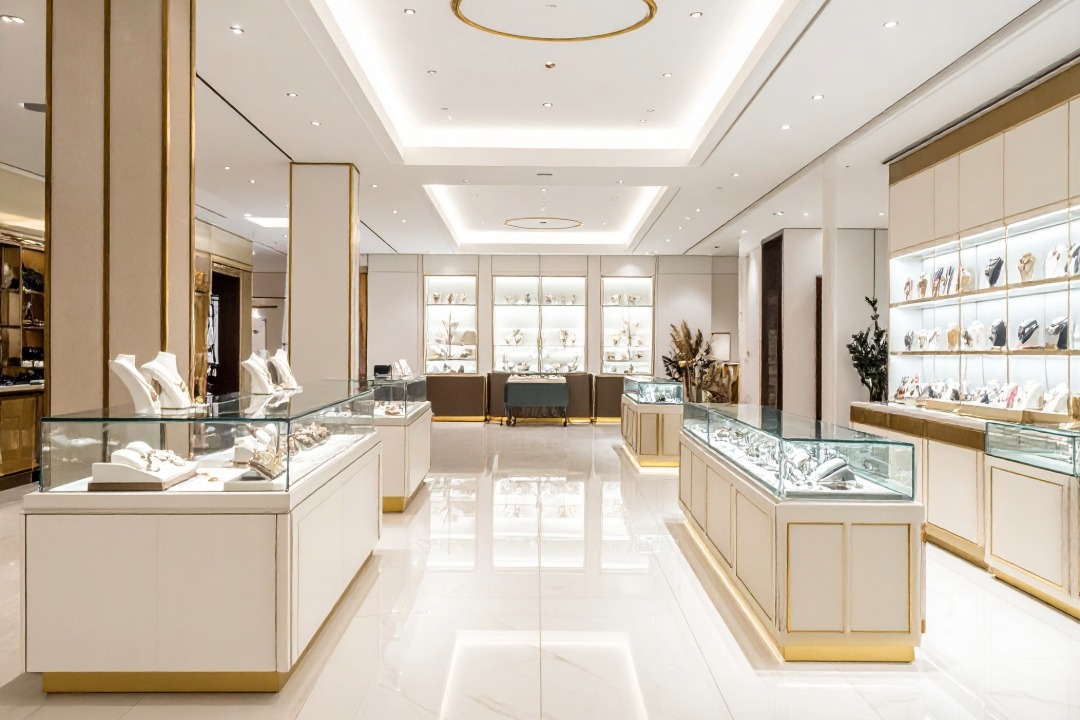
How to Design a Jewellery Showroom Interior for Maximum Impact
Testimonials
"Our old ICU felt cramped and poorly lit. After the redesign, nurses can see every bay from the central station. The headwall panels integrate oxygen, suction, and electrical points cleanly. Families have told us the space feels less intimidating now. It has genuinely changed how our critical care team operates on a daily basis."
"The consultation rooms in our new outpatient block look nothing like a typical hospital. Acoustic panels keep conversations private. The modular desks and cabinets are sturdy but elegant. Patients have commented that the rooms feel welcoming. For a paediatric wing, that emotional comfort matters more than most people realise."
"I was sceptical about modular construction for a hospital pharmacy. But the shelving system they delivered is incredibly well organised. Every medication category has its dedicated section. Controlled-substance storage locks are integrated into the cabinetry. The chemical-resistant countertops have survived six months of heavy use with zero staining."
"What impressed us was the design team's understanding of patient flow. Our reception and waiting area used to create bottlenecks during peak hours. The new layout separates registration, billing, and seating into clear zones. Wait-time complaints have dropped significantly. Visitors say the space feels calm and organised even during rush hours."
"We renovated our operation theatre with their modular OT panel systems. The seamless wall-and-ceiling finish eliminated dust accumulation points we struggled with before. Air quality readings improved within the first week. The entire installation was completed over a weekend with no disruption to scheduled surgeries the following Monday."
"Transparent pricing was the deciding factor for us. The quote listed every panel, fixture, and installation charge clearly. There were no surprise costs at any point during the project. For a trust-run hospital operating on a fixed budget, that financial clarity made the entire process stress-free and trustworthy from start to finish."
FAQ's
Hospital interior design covers every functional zone in a healthcare facility. This includes reception areas, patient rooms, ICUs, operation theatres, consultation rooms, nursing stations, pharmacies, labs, staff rest areas, and administrative offices. Each zone requires a different design approach based on its clinical function, patient interaction level, and hygiene requirements. For example, an OT needs seamless, anti-static surfaces and laminar airflow compatibility. A patient room needs calming tones, accessible storage, and integrated headwall services. A comprehensive hospital interior design company will plan all these zones as an interconnected system rather than isolated rooms. The goal is smooth patient flow, efficient staff movement, and strict infection control across the entire facility.
Evidence-based design research shows that the built environment directly affects patient outcomes. Natural light reduces the need for pain medication. Calming colour palettes lower anxiety. Noise-absorbing materials improve sleep quality. Clear wayfinding reduces stress for patients and visitors navigating an unfamiliar building. Hospital interior design solutions address all these factors through material selection, layout planning, and lighting design. Anti-microbial surfaces reduce hospital-acquired infection risks. Private patient rooms improve dignity and rest. Well-designed family zones allow caregivers to stay close. Each of these elements contributes to shorter recovery periods, higher patient satisfaction scores, and better clinical outcomes. Good design is not decoration. It is a functional tool that supports healing.
Modern hospital interior design relies on materials that meet strict hygiene, fire safety, and durability standards. Anti-microbial high-pressure laminates are used for wall panels, counters, and cabinetry. Seamless vinyl or epoxy flooring prevents bacterial growth in joints. Fire-rated modular panels meet IS and NBC fire compliance codes. For OTs and ICUs, anti-static and anti-fungal coatings are standard. Handrails and corner guards use impact-resistant materials to handle trolley and wheelchair traffic. Ceiling systems are designed for easy access to HVAC and electrical services. Upholstery in waiting areas uses medical-grade fabrics that resist staining and support frequent cleaning. The choice of materials should always balance clinical requirements with patient comfort and long-term maintenance costs.
Project timelines depend on the facility size, scope, and complexity of the design. A single-floor outpatient clinic with consultation rooms, a reception, and a pharmacy can be completed in eight to twelve weeks. A multi-floor hospital with OTs, ICUs, patient wards, and labs typically takes four to eight months. Using factory-manufactured modular systems significantly reduces on-site construction time compared to traditional methods. Panels, furniture, and cabinetry arrive pre-finished and ready to install. This can cut the installation phase by thirty to forty percent. Planning and design usually take three to six weeks depending on revisions. We provide a detailed project timeline during the quotation phase so you can plan operations around the installation schedule.
In India, hospital interiors must comply with several regulatory and accreditation standards. NABH, the National Accreditation Board for Hospitals, sets guidelines for patient safety, infection control, space planning, and facility management. Fire safety must align with National Building Code norms and local fire department requirements. Accessibility standards follow the Rights of Persons with Disabilities Act for ramp access, door widths, and washroom design. Radiation zones like CT and MRI rooms must meet AERB shielding specifications. OTs require compliance with air change rates and pressure gradient norms. Hospital interior design consultants who understand these requirements can design spaces that pass accreditation audits without costly rework. Every material, layout, and fixture choice should be made with compliance in mind from the start.
Yes. Renovation of operational hospitals is common and manageable with the right approach. The key is phased execution. We work zone by zone, completing one section before moving to the next. This allows the rest of the facility to function normally. Factory-manufactured modular panels and furniture reduce on-site construction noise, dust, and time. Temporary barriers and dust control measures protect adjacent patient areas during installation. Weekend and overnight installations are planned for high-sensitivity zones like OTs and ICUs. We coordinate with your hospital administration to create a phased timeline that minimises disruption to patient care, staff workflows, and outpatient schedules. Many of our renovation projects are completed without a single day of full operational shutdown.
Hospital interior design costs in India vary widely based on scope, materials, and facility type. Basic fit-outs for clinics and small nursing homes may range from eight hundred to fifteen hundred rupees per square foot. Multi-speciality hospitals with OTs, ICUs, and advanced patient rooms typically fall between fifteen hundred and three thousand rupees per square foot. Super-speciality facilities with premium finishes and complex equipment integration can exceed this range. The cost includes design, modular manufacturing, materials, hardware, and installation. We provide transparent, itemised quotations that list every component. No hidden charges are added after approval. EMI and phased payment options are available for larger projects. The best way to get an accurate estimate is to schedule a site consultation.
Modular manufacturing moves most of the construction work to a controlled factory environment. Panels, cabinetry, countertops, and furniture are cut, finished, and quality-checked before they reach the site. This offers several advantages for hospital projects. First, factory conditions produce tighter tolerances and more consistent finishes than on-site carpentry. Second, installation time drops by thirty to forty percent because modules arrive ready to mount. Third, on-site dust, noise, and waste are drastically reduced. This is critical in healthcare settings where infection control matters during renovation. Fourth, quality is repeatable. Every patient room gets the same finish standard. For hospital administrators managing tight budgets and tighter timelines, modular is the practical choice.
Lighting is one of the most important elements in hospital interior design. Different areas require different lighting strategies. Patient rooms benefit from warm, dimmable lighting that supports circadian rhythms and sleep quality. OTs need high-intensity, shadow-free surgical lighting with backup systems. Corridors require even illumination for safe movement during emergencies. Nursing stations need task lighting for documentation work. Waiting areas benefit from diffused ambient lighting that reduces anxiety. Energy-efficient LED systems with adjustable colour temperature are now standard in modern hospital interior design. Lighting should also account for elderly patients and those with visual impairments. Glare-free fixtures and consistent lux levels across zones improve safety and comfort. We integrate lighting plans into the overall interior layout during the design stage itself.
Yes. While our factory and design studio are based in Hyderabad, we deliver hospital interior projects across India. Modular manufacturing makes this possible. All panels, furniture, and fixtures are produced in our factory and shipped to the project site regardless of location. Our design team conducts on-site visits for measurement and consultation. Installation crews travel to the project location and handle the full fit-out. We have completed projects in Telangana, Andhra Pradesh, Karnataka, Tamil Nadu, Maharashtra, and other states. The process remains identical. Design, manufacture, ship, install. The quality does not change with distance. For hospital owners and healthcare groups expanding across multiple cities, this pan-India capability ensures consistent interiors across all their facilities.
Infection control starts at the material and layout level. Seamless flooring eliminates joints where bacteria accumulate. Anti-microbial laminates on walls and counters actively inhibit microbial growth. Non-porous surfaces are easier to clean and disinfect. Corner guards and cove bases prevent dust and moisture from collecting at wall-floor junctions. In OTs and ICUs, panel systems are designed for positive or negative pressure environments depending on the clinical requirement. Door hardware uses anti-bacterial coatings. Washrooms are designed with hands-free fixtures and adequate ventilation. Layout planning ensures clean and dirty utility zones are separated. Hospital interior design solutions that prioritise infection control reduce hospital-acquired infection rates and support accreditation compliance. Every material and detail choice should serve this goal.
Start with manufacturing capability. A hospital interior design company that manufactures in-house offers better quality control, faster timelines, and fewer coordination issues than one that outsources production. Check whether they have experience specifically in healthcare projects. Hospital interiors require knowledge of compliance standards, infection-control materials, and clinical workflows that general interior firms may lack. Ask for references from completed hospital projects. Review their material specifications. Confirm whether they provide end-to-end service from design through installation. Pricing transparency matters. Avoid firms that give vague estimates without itemised breakdowns. Finally, check their delivery track record. Healthcare projects cannot afford delays. Among hospital interior design companies, the ones with factory setups and healthcare-specific experience tend to deliver the most reliable results.
Yes. Modular design is inherently flexible. Panels, partitions, and furniture modules can be reconfigured, relocated, or expanded without demolishing permanent structures. When we design hospital interiors, we plan for growth. Partition walls use demountable systems. Electrical and data points are spaced to allow room reconfiguration. Modular nurse stations can be extended by adding sections. Patient rooms can be converted from semi-private to private by adjusting partition modules. This future-proofing saves significant cost when the hospital scales up. Healthcare interior design companies that use modular systems give you this flexibility built into the original design. We recommend discussing your five-year facility plan during the consultation phase so expansion paths can be integrated from day one.
Speciality hospitals have unique requirements that general designs cannot address. An eye hospital needs precise lighting control in examination and surgery zones. A maternity facility requires family-friendly patient rooms and NICU-adjacent layouts. An orthopaedic centre needs wider corridors and reinforced furniture. A dialysis unit requires plumbing-intensive workstation planning. Healthcare interior design companies with hospital experience understand these differences. We begin every speciality project with a clinical workflow analysis. Our design team collaborates with your medical directors to map patient journeys, equipment placement, and staff movement patterns. This ensures the interior supports the clinical process rather than working against it. The result is a facility that feels purpose-built for its speciality.
After installation, we conduct a detailed walkthrough with your facility team. Every module, fixture, and finish is inspected together. We provide a maintenance guide specific to the materials used in your facility. This covers cleaning protocols, minor repair procedures, and replacement schedules for consumable components like gaskets and soft-close hardware. Warranty coverage is provided on all manufactured modules and hardware. If any panel, hinge, or surface shows a defect within the warranty period, we replace it at no additional cost. For ongoing support, our service team is available for repairs, expansions, and reconfiguration requests. Hospital interior design services do not end at installation. The relationship continues for as long as your facility operates. Reach out at any time for adjustments or additions.
Start Your Custom Project Today
BOOK A FREE CONSULTATION
"We were expanding our hospital from 50 to 120 beds and needed interiors that met NABH standards without delays. The modular wall panels and patient room furniture arrived factory-finished and ready to install. Our new wing was operational three weeks ahead of schedule. The infection-control surfaces have held up perfectly through daily sanitisation cycles."