
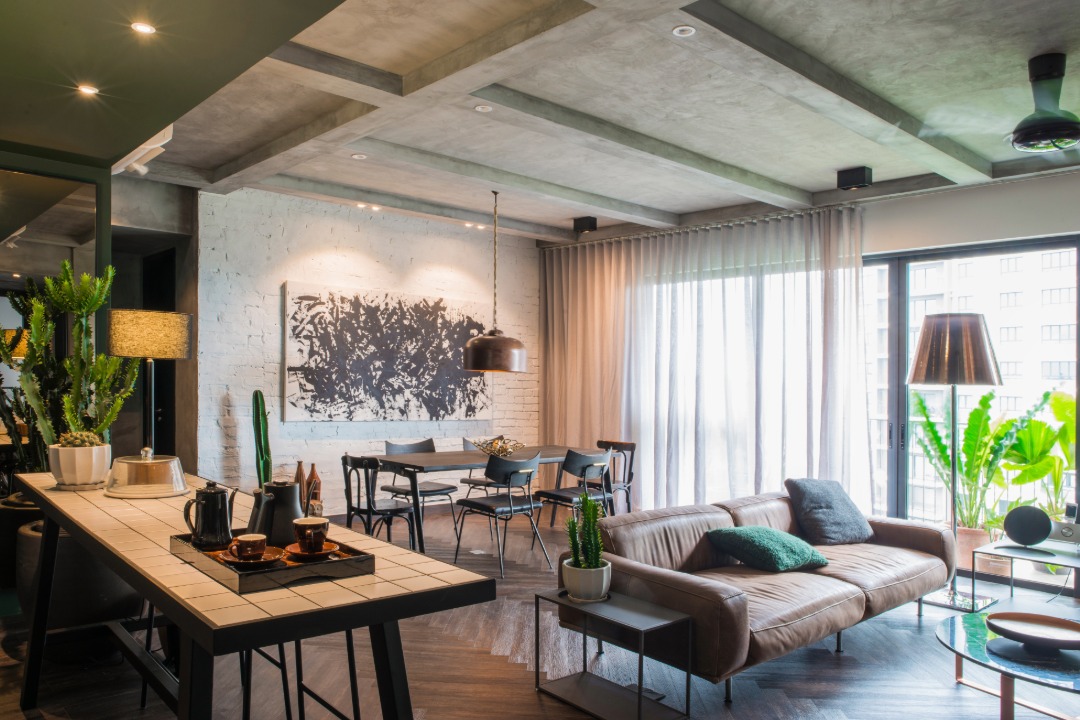
You have the keys. The flat is empty. The walls are bare. And every contractor, designer, and well-meaning relative has a different opinion on what you should do first. The painter says paint first. The carpenter says build the wardrobe first. The electrician says wiring first. Your mother says fix the kitchen before anything else.
They are all partially right. And that is exactly the problem. Interior design planning is not about any single decision. It is about coordinating dozens of decisions, timelines, and trades so that the entire project comes together without delays, rework, or conflict.
This guide is not about choosing colours or finishes. It is about managing the project. The coordination between civil work and modular installations. The timeline from possession to move-in. The handover points where one trade finishes and the next begins. Get this planning right and your home interiors project finishes on time and on budget. Get it wrong and you spend three extra months watching contractors redo work that should have been done correctly the first time.
Phase 1: Site Assessment Before Any Design Work
Before you call a designer or a manufacturer, walk through the empty flat with a notebook. This site assessment identifies conditions that affect every decision that follows.
Check the walls for plumb. New construction walls are not always perfectly vertical. A wall that leans by even half an inch over eight feet creates problems when floor-to-ceiling wardrobes and kitchen modules are installed. The manufacturer can accommodate the variation, but only if it is measured and communicated before production starts.
Check the flooring level. Walk from room to room and check whether the floor is even. Uneven floors cause base cabinets to rock and doors to hang crooked. If the floor needs levelling, that civil work must happen before any modular furniture arrives.
Check the plumbing and drainage points. Mark the exact positions of kitchen drain, water supply, geyser inlet, and washing machine outlet. These positions determine where the kitchen sink sits, where the dishwasher goes, and which wall the washing machine backs against.
Check the electrical panel and existing wiring. Note the main panel location, the circuit capacity, and the existing outlet positions. This information tells the electrician what needs to be added and where.
This assessment takes two to three hours. It saves weeks of rework later.
Phase 2: Civil Work Comes First and Must Finish Completely
Civil work includes wall plastering, waterproofing, flooring, tiling, bathroom fitting, false ceiling framing, and any structural modifications like removing a wall or adding a partition.
This phase must be completed fully before modular furniture production begins. Here is why. If flooring is laid after the kitchen base units are installed, the tiles cannot run under the cabinets. This creates a visible gap if you ever reconfigure the kitchen. If the false ceiling is installed after the wardrobe is in place, the carpenter cannot access the area above the wardrobe to fix the ceiling frame.
The civil phase in a standard 2BHK takes 20 to 35 days depending on the scope. Bathrooms take the longest because waterproofing, tiling, and fixture installation are sequential and each step needs curing time.
During this phase, your modular furniture manufacturer should be completing the design, material selection, and 3D approval process in parallel. This way, production begins the day civil work finishes. No gap. No idle time. The two phases run concurrently without overlapping on site.
Phase 3: Electrical and Plumbing Rough-In During Civil Work
This is the most coordination-intensive step in the entire project. Electrical points and plumbing connections must be positioned based on the furniture layout, not the other way around.
The kitchen needs outlets for the chimney, microwave, water purifier, mixer grinder, fridge, and dishwasher. Each outlet must be at a specific height and position relative to the modular kitchen layout. A chimney outlet behind a wall cabinet is useless. A fridge outlet behind the fridge at floor level means the plug is inaccessible.
The bedrooms need outlets for bedside lamps, phone charging, wardrobe internal lighting, TV, and router. The positions depend on where the bed, wardrobe, and TV unit will sit.
Share the finalised furniture layout with the electrician and plumber before they start the rough-in. This layout should come from your modular interior manufacturer, not from a rough sketch on the back of an envelope. A company that offers space optimisation and planning services will provide a scaled layout showing every furniture piece, every outlet position, and every plumbing connection point.
Phase 4: Painting Before Furniture Installation
Paint the walls and ceilings after the civil, electrical, and plumbing work is complete but before any modular furniture arrives. This sequence matters for three reasons.
First, paint splatters damage laminate surfaces and hardware. Cleaning paint off a new wardrobe shutter is risky. Masking tape does not protect perfectly. A single drip on an acrylic panel leaves a permanent mark.
Second, painting generates dust. Fine paint dust settles on every horizontal surface. Drawers, shelves, and countertops installed before painting collect this dust inside their joints and runners.
Third, the wall behind a modular unit needs painting even though it will not be visible. Unpainted walls in humid Indian climates develop fungus over time. The fungus spreads to the back panel of the furniture and damages it from behind.
Complete all painting, including primer, two coats, and touch-ups, before the installation team arrives.
Phase 5: Modular Furniture Manufacturing in Parallel
While civil work and painting happen on site, the modular furniture should be in production at the factory. This parallel workflow is the biggest time advantage of modular interiors over on-site carpentry.
A factory produces all rooms simultaneously. The modular kitchen panels are cut on Monday. The wardrobe modules are edge-banded on Tuesday. The TV unit is assembled on Wednesday. By the end of the production cycle, every piece for every room is ready, quality-checked, and packed for dispatch.
On-site carpentry works sequentially. The carpenter finishes the kitchen over three weeks. Then moves to the master bedroom wardrobe. Then the second bedroom. Then the TV unit. Each room waits for the previous one to finish.
The time difference is significant. A modular project takes 25 to 40 days in production and delivers everything at once. A carpentry project takes 60 to 90 days because each room is built one after another.
For a homeowner paying rent on a temporary flat while waiting to move into the new home, this time compression saves one to two months of rent. That saving alone can offset the premium of modular over carpentry.
Phase 6: Installation Sequence Matters
Modular furniture installation follows a specific room sequence. Getting this wrong creates access problems, damage risks, and rework.
Install the kitchen first. It involves plumbing connections, gas line coordination, and appliance fitting. The installation team needs clear access to the kitchen walls and floor.
Install wardrobes second. These are the largest modules and need the most manoeuvring space. Wardrobe storage units are heavy and tall, requiring clear corridors and doorways for movement. If the TV unit is already installed in the living room, moving a full-height wardrobe panel through the corridor becomes difficult.
Install the living room and study units third. TV units, display shelves, shoe cabinets, and study desks are smaller and easier to position once the larger modules are in place.
Install crockery units, pooja units, and utility room storage last. These are typically the smallest modules and fit into remaining spaces without needing extensive access.
The professional installation team coordinates this sequence based on your flat layout and corridor widths. They know which modules need to go in first to avoid damage to previously installed units.
Phase 7: Post-Installation Punch List
After installation is complete, walk through every room with the installation supervisor. Open every door. Pull every drawer. Check every handle. Test every soft-close mechanism. This is your punch list inspection.
Look for alignment issues. Do adjacent shutter panels sit flush? Is there a consistent gap between doors? Do drawers glide smoothly without rubbing the frame?
Look for surface issues. Any scratch, chip, or laminate bubble should be noted and photographed. These are easier to fix within the first week when the installation team is still available.
Look for hardware issues. Does every soft-close hinge slow the door completely before it shuts? Does every drawer extend fully without tilting? Do all cabinet lights activate when the door opens?
A manufacturer with in-house manufacturing addresses punch list items quickly because they can produce replacement parts that match the original specifications exactly. A company that outsourced production may take weeks to source a matching panel or shutter from the original vendor.
Phase 8: Final Touches and Move-In
After the punch list is resolved, complete the final touches. Install curtain rods and blinds. Mount mirrors. Set up the kitchen appliances. Connect the washing machine. Program the smart switches.
Clean every surface. Wipe down all cabinet interiors. Vacuum the inside of every drawer. Remove all protective films from shutter panels and countertops.
Your home is ready. If the home interior design planning was done correctly, the entire journey from possession to move-in takes 60 to 90 days. Civil work in the first month. Painting in the overlap. Modular production in parallel. Installation in the final two weeks. Punch list and final touches in the last few days.
Holzbox manages this timeline as a single coordinated process. From the initial site assessment through design, material sourcing, factory production, and installation, every phase is planned with the next phase in mind. Whether you need a modular kitchen, wardrobe and storage solutions, or complete home interiors, the coordination is what turns an overwhelming interior design project in India into a smooth, predictable experience.
Frequently Asked Questions
How long does a complete home interior project take from possession to move-in?
A well-planned project takes 60 to 90 days. Civil work including flooring, tiling, waterproofing, and false ceiling takes 20 to 35 days. Painting takes 5 to 10 days, overlapping with the end of civil work. Modular furniture production runs in parallel and takes 25 to 40 days. On-site installation takes 5 to 10 days. The punch list and final touches take 3 to 5 days. If modular production starts during the civil phase, the total timeline compresses significantly compared to sequential carpentry which takes 90 to 120 days.
Should I complete all civil work before starting modular furniture design?
No. Start the design process during or even before civil work begins. The furniture layout must be finalised before the electrical rough-in so that outlet positions match the furniture positions. Ideally, the design and 3D approval should be completed during the first two weeks of the civil phase. This allows modular production to begin as soon as civil work reaches the painting stage, creating a parallel workflow that saves four to six weeks.
What is the correct sequence for home interior installation?
Kitchen first, then wardrobes, then living room units, then smaller modules like shoe cabinets and pooja units. This sequence is based on module size and access requirements. Larger modules need clear corridors for manoeuvring. Installing smaller units first and then trying to move full-height wardrobe panels through a furnished corridor risks damaging both the new unit and the existing ones.
How do I coordinate between the civil contractor, electrician, plumber, and furniture manufacturer?
Share the finalised furniture layout with every trade before work begins. The layout should show exact furniture positions, outlet locations, plumbing points, and light positions. A single manufacturer that handles wardrobe and storage solutions, kitchen modules, and living room units provides this unified layout. When multiple vendors are involved, the homeowner must act as the project coordinator, which adds complexity and increases the risk of errors.
What is a punch list and why does it matter?
A punch list is a room-by-room inspection conducted after installation is complete. You check every door alignment, drawer operation, hardware function, and surface finish. Any issues are documented with photographs and shared with the installation team for correction. Completing the punch list within the first week is important because the team is still mobilised and replacement parts can be produced while the project file is active. Delaying the inspection by weeks makes corrections harder to schedule and track.