
You have finally got the keys to your new apartment. Or maybe you have decided to renovate the home you have lived in for a decade. Either way, one question sits at the top of your mind. How do I get the interiors done quickly, without blowing the budget?
This is where most homeowners in India hit a wall. The traditional route means hiring a local carpenter, sourcing materials yourself, supervising daily progress, and hoping the final result matches what you imagined. It often takes weeks longer than promised. The costs creep up with every change. And the finish quality depends entirely on one person’s skill on one particular day.
Modular furniture has changed this equation completely. Factory-manufactured units, precision-cut panels, and pre-fitted hardware mean that what used to take 45 to 60 days of on-site work now gets done in a fraction of that timeline. This guide breaks down exactly how modular furniture saves time and cost for Indian homes and offices. No vague claims. Just the real mechanics of why factory production beats on-site carpentry on both fronts.
What Makes Modular Furniture Different from Traditional Carpentry?
Traditional carpentry happens on-site, inside your home. A carpenter brings raw materials, cuts them in your living room, assembles them there, and finishes them there. Your home becomes a workshop for weeks.
Modular furniture is produced in a controlled factory environment. CNC machines cut panels to exact dimensions. Automated edge-banding systems seal every surface. Hardware like soft-close hinges and drawer channels get fitted with precision that hand tools cannot replicate. The finished modules are packed, transported, and assembled on-site in hours or days.
This factory-first approach removes the dependency on a single carpenter’s skill level, the weather conditions at your site, and the availability of labour on any given day. For a deeper look at both approaches, read Modular Wardrobe vs Traditional Wardrobe: Pros and Cons.
How Modular Furniture Saves Time: From Weeks to Days
Time is the first and most visible advantage. Here is why modular furniture installation time is dramatically shorter than traditional methods.
Parallel Manufacturing Across Rooms
With a carpenter, work happens sequentially. The kitchen finishes first, then wardrobes, then the TV unit. Each room waits for the previous one. In a factory, your modular kitchen, wardrobe panels, and office desks can all be on the production line at the same time. This is why a full home interior that takes 60 to 90 days with a carpenter can be manufactured in 25 to 45 days and installed within a week.
Precision That Eliminates Rework
One of the biggest time drains in traditional carpentry is rework. A shelf cut 2mm short. A door that does not close flush. A drawer that sticks because the channel was mounted slightly off. Each correction adds days to the project. CNC machines cut at exact measurements every time. Drill holes align perfectly because they follow the same template. Rework drops to near zero.
No Material Sourcing Delays
With traditional carpentry, you or your carpenter need to visit timber markets, select plywood, buy laminates, and arrange delivery. This sourcing phase alone eats up a week or more. A modular furniture manufacturer with an in-house factory maintains inventory of all core materials. Production starts as soon as the design is approved because boards, laminates, and hardware are already on the factory floor.
Faster and Cleaner On-Site Installation
Traditional carpentry fills your home with sawdust, wood shavings, and noise for weeks. With modular furniture, pre-finished modules arrive packed and protected. Trained installers mount, align, and clean up. A single room takes one to two days. A full home wraps up in five to ten days. Learn more about professional installation and after-sales support.
How Modular Furniture Saves Cost: The Real Value Behind the Price Tag
The initial price tag of modular furniture can appear higher than a carpenter’s quote. But that comparison is misleading because it ignores several hidden costs that come with traditional methods.
Reduced Material Waste
A carpenter cuts plywood sheets by hand or with a circular saw. Waste ranges from 10 to 15 percent of total material. You pay for that wasted plywood even though it ends up in the garbage. CNC machines optimise cutting patterns using nesting software. Material waste drops to 3 to 5 percent. Over a full home project, this saving alone runs into thousands of rupees.
No Hidden Labour Costs
Carpenter quotes in India often exclude finishing materials, transportation, extra labour for complex pieces, and cleanup. A project quoted at one lakh can climb to one and a half lakhs quietly. Modular furniture from a reputable manufacturer comes with an itemized quotation. Every component is listed upfront: carcass material, shutter finish, hardware brand, accessories, and installation charges. No surprise additions.
Lower Long-Term Maintenance
Carpenter-made furniture often shows wear within two to three years. Laminates peel at edges because proper edge banding was not applied. Shelves sag under load. Doors misalign because the hinges were not rated for the shutter weight. Each repair costs money. Factory-made modular units use pre-laminated boards with sealed edges on all four sides. Hardware from brands like Hettich and Blum carries its own warranty. If a component fails, you replace just that part. This repairability is a key modular furniture benefit that traditional carpentry cannot match.
Scalability Without Starting Over
Life changes. Families grow. You shift to a bigger apartment. With carpenter-made furniture, changes mean starting from scratch. Modular systems expand. Add a wardrobe module. Reconfigure office workstations when the team grows. Relocate kitchen units to a new home. You are not buying from zero every time requirements shift. That saving compounds over years.
Where Modular Furniture Delivers the Biggest Impact
Modular Kitchens: The kitchen is where the time and cost advantage shows up most clearly. A modular kitchen involves base cabinets, wall units, countertop integration, sink cutouts, and plumbing coordination. Factory-made components make installation seamless. On-site carpentry turns each element into a potential delay.
Wardrobes and Storage: Custom wardrobes and storage solutions benefit enormously from factory precision. Sliding door mechanisms, soft-close drawers, and anti-sag shelving all require exact dimensional accuracy that hand tools cannot guarantee.
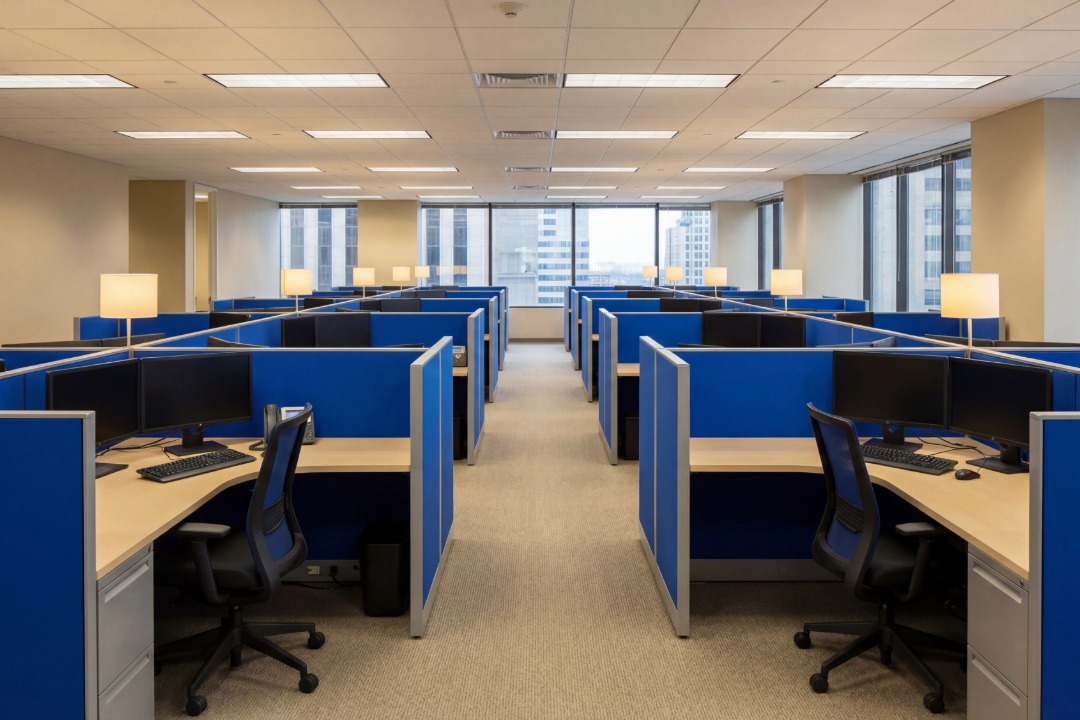
Office Interiors: For businesses, downtime during renovation directly affects revenue. Modular office interior design minimises this disruption. Workstations arrive pre-built. Installation happens over a weekend. The team walks into a functional office on Monday. Read about how ergonomic office furniture impacts performance.
Compact Apartments: Urban homes in Hyderabad, Bangalore, Mumbai, and Pune demand intelligent space optimization planning. Floor-to-ceiling units, corner mechanisms, pull-out pantry towers, and sliding wardrobe doors use every available inch. When every centimetre counts, factory precision is not a luxury. It is a necessity.
The Sustainability Factor: Less Waste, Fewer Resources
The environmental case for modular furniture ties directly back to cost savings. Less material waste means fewer raw materials consumed. Optimised cutting patterns mean less timber demand. HDHMR boards, commonly used in modular manufacturing, are made from recycled wood fibre. Low-emission adhesives reduce indoor air quality concerns. Manufacturers who control their sustainable material sourcing can ensure that boards, laminates, and hardware come from certified suppliers. For homeowners who care about the environmental footprint of their interiors, choosing modular is both a practical and a responsible decision.
How to Choose the Right Modular Furniture Manufacturer
Not every brand calling itself modular actually manufactures in-house. Many outsource to third-party workshops, diluting quality and adding markup. Here is what separates a genuine manufacturer from a reseller.
Look for an own factory setup with CNC machinery, automated edge-banding, and quality control stations. The company should handle design, production, and installation internally. Ask for an itemized quotation that lists every material and service charge. A manufacturer who stands behind their product will offer warranty and post-installation service support.
Holzbox, for instance, operates from its own factory in Hyderabad with CNC production lines, in-house design teams, and trained installation crews delivering modular interior solutions across India.
Common Misconceptions About Modular Furniture Costs
“Modular is more expensive.” The upfront quote may be higher, but total cost of ownership is often lower when you factor in waste, rework, and early repairs.
“You cannot customise it.” Today, a capable factory setup customises dimensions, layouts, finishes, and internal configurations to suit any space. Every unit is made to order based on site measurements.
“It is not sturdy.” BWP-grade plywood and HDHMR boards are moisture-resistant, termite-resistant, and built for heavy daily use. Check the latest home interior trends in India to see how far modular construction has come.
“Factory-made means generic.” The factory provides precision and speed. The design is still tailored to your room dimensions, colour preferences, and storage needs.
Frequently Asked Questions
How much time does modular furniture installation take compared to traditional carpentry?
For a standard residential project covering a kitchen and two bedrooms, modular manufacturing takes 25 to 45 days after design approval. On-site installation takes one to ten days depending on scope. Traditional carpentry for the same project runs 45 to 90 days, with on-site construction throughout. The time difference comes from parallel factory production and the elimination of on-site cutting and finishing.
Is modular furniture really cheaper than carpenter-made furniture in India?
The upfront cost can be similar or slightly higher. However, the total cost of ownership is usually lower. Factory production wastes less material, pricing is transparent with no hidden charges, and branded hardware lasts longer without repairs. Carpenter-made furniture accumulates hidden costs through material waste, rework, and early maintenance. Over a 5 to 10-year ownership period, modular consistently delivers better value.
Can modular furniture handle Indian cooking conditions like oil, steam, and humidity?
Yes. Reputable manufacturers use BWP grade plywood or HDHMR boards as core material. These resist moisture, swelling, and warping. Shutter finishes like acrylic, PU coating, and high-pressure laminate withstand oil splashes and steam. Factory-applied edge banding on all exposed surfaces prevents moisture from entering panel cores. When the right materials are specified, modular kitchens handle daily Indian cooking for years.
What should I check to confirm a company is a real manufacturer and not a reseller?
Ask to visit their factory. A genuine modular furniture manufacturer will have CNC cutting machines, edge-banding equipment, a quality inspection area, and a materials warehouse. Check if they handle design, production, and installation internally or outsource any of these stages. Ask for an itemized quotation rather than a lump-sum quote. A manufacturer with their own factory setup will have nothing to hide.
Can modular furniture be relocated if I move to a new home?
Yes. Most modular units can be disassembled, transported, and reinstalled in a new space. The modular design uses standardised hardware connections that allow clean dismantling without damaging the panels. Some dimensional adjustments may be needed for the new room layout, but core modules are reusable. This portability is one of the strongest long-term cost advantages of modular furniture, especially for tenants and professionals who relocate frequently.
The Bottom Line
The question is not whether modular furniture is worth it. The question is whether you can afford the hidden costs of not choosing it. Time lost to on-site construction, money spent on wasted materials, frustration of rework, and expense of early repairs add up fast.
Modular furniture saves time through parallel production, CNC precision, and rapid assembly. It saves cost through optimised material usage, transparent pricing, and long-term repairability. Whether you are furnishing a compact apartment, designing a modular kitchen, building out an office workspace, or upgrading bedroom storage with custom wardrobes, the modular route gets you there faster, cleaner, and with better long-term value.
Start with a consultation. Get your space measured. Review a 3D layout. See an itemized quote. Then decide for yourself.