
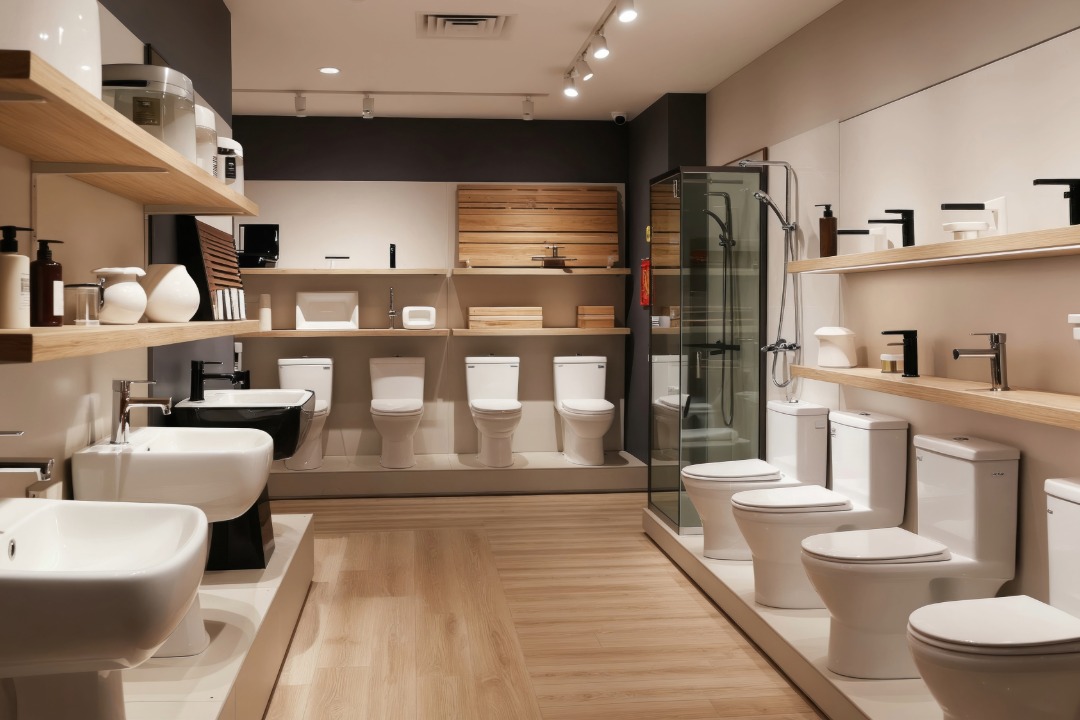
A customer walks into your showroom. They have not spoken to anyone yet. They have not seen a price list. They have not touched a single product. But within the first ten seconds, they have already formed an opinion about your business. That opinion is shaped by what surrounds them. The flooring, the lighting, the spatial layout, and above all, the fixtures that hold and present your products.
Fixtures are the physical backbone of every showroom. Display counters, wall-mounted shelving, product islands, sample stations, and demonstration tables do the work of presenting your products while communicating your brand’s credibility. When these fixtures are well-built, the showroom feels premium. When they are cheap, warped, or visibly worn, no amount of good products can recover that first impression.
This is why the importance of high-quality fixtures in showrooms cannot be treated as a secondary consideration. They are not decoration. They are infrastructure that directly impacts how long customers stay, how seriously they take your products, and whether they convert into buyers.
What Defines a High-Quality Showroom Fixture?
Quality in showroom display fixtures is not just about appearance. It is about how a fixture performs under real conditions over time. A showroom is not a living room. Fixtures here face hundreds of touches per day, frequent product changes, cleaning cycles, and in Indian conditions, humidity, dust, and temperature fluctuation.
Material integrity: The core board used in fixture construction determines its lifespan. BWP-grade plywood and HDHMR boards resist moisture and load stress. Commercial-grade laminates and PVD-coated metal finishes hold up against daily handling. Low-quality MDF or particle board may look fine on day one but begins to sag, swell, or chip within months.
Hardware performance: Hinges, drawer channels, brackets, and locking mechanisms in a showroom environment work harder than those in a home. Soft-close hinges rated for 50,000 cycles are standard in quality fixtures. Cheap hardware fails at 5,000 cycles, leading to doors that sag, drawers that stick, and locks that jam.
Finish durability: Surface finishes need to resist scratching, fingerprints, staining, and UV fading. A showroom fixture is on display at all times. Every scratch and stain is visible. High-pressure laminate, acrylic, and PU-coated surfaces maintain their look under these conditions. Budget finishes do not.
Why Fixture Quality Directly Impacts Showroom Revenue
First Impressions Set the Price Expectation
When a customer enters a tile showroom with polished display islands and integrated lighting, they mentally prepare to spend more. The environment signals premium value. The same tiles displayed on basic metal racks communicate discount pricing before anyone has quoted a number. High-quality fixtures in showrooms prime customers to accept higher price points because the environment justifies the investment.
Dwell Time Increases with Better Environments
Retail studies consistently show that the longer a customer stays in a space, the more likely they are to purchase. Comfortable, well-designed showrooms with quality fixtures encourage browsing. Customers slow down. They pick up samples. They sit down to discuss options. All of this browsing time turns into revenue. Discover more about how showroom interior design drives maximum customer engagement.
Repeat Visits and Referrals Follow Great Experiences
A showroom that feels well-maintained and professionally designed earns trust. Customers return for future purchases and refer friends and family. This referral loop is especially strong in Indian markets, where word-of-mouth drives a significant portion of showroom footfall. Quality fixtures age gracefully. Budget fixtures age visibly. The difference shows up in your repeat customer rate over time.
The Durability Problem: Why Cheap Fixtures Cost More in the Long Run
Budget fixtures seem like smart spending when you are setting up a new showroom. The upfront cost is lower. The delivery is faster. But the real cost shows up within 12 to 18 months.
Laminate starts peeling at edges where edge banding was skipped or poorly applied. Shelves sag under the weight of product samples. Metal frames develop rust spots in humid cities like Hyderabad, Chennai, or Mumbai. Display case locks stop working. Drawer channels seize up. By year two, you are either spending on repairs or doing a full replacement.
Factory-manufactured durable showroom fixtures built with commercial-grade materials avoid these problems. Edge banding is applied on all four sides of every panel using automated machines. Metal components receive anti-corrosion treatment. Hardware is rated for commercial usage cycles. The initial investment is higher, but the five to ten year lifespan makes it far more economical than replacing cheap fixtures every two years. For more context, read about choosing between custom and ready-made retail fixtures.
Fixture Quality Requirements Across Indian Showroom Types
Different showroom categories have different demands. A one-size-fits-all approach to fixtures fails because each product type needs a different display strategy, material tolerance, and usage pattern.
Fashion and lifestyle showrooms need fixtures that reconfigure easily for seasonal collections. Modular wall panels, adjustable shelving, and interchangeable graphic displays let store teams refresh layouts without a full refit. The finish needs to resist fingerprints and be easy to wipe clean.
Jewellery showrooms demand secure, illuminated display cases with scratch-resistant glass and anti-tarnish interior surfaces. The fixtures themselves become part of the luxury statement. PVD-coated metal frames and high-gloss finishes are common choices.
Electronics and appliance showrooms require fixtures that support heavy product weight, integrate power outlets for live demonstrations, and allow cable management that keeps the display clean. Durability is critical because products are lifted, tested, and replaced constantly.
Tile, sanitaryware, and building material showrooms need heavy-duty display stands, rotating sample panels, and waterproof counters. These fixtures handle significant weight and frequent water exposure. Learn about retail store interior design ideas that boost sales for more category-specific inspiration.
Why Factory-Manufactured Fixtures Outperform Locally Built Alternatives
Many showroom owners in India still source fixtures from local carpenters or small fabrication shops. The result is inconsistent quality, unpredictable timelines, and fixtures that start showing wear within the first year.
A showroom fixture manufacturer with a dedicated factory operates differently. CNC machines cut panels to exact dimensions. Automated edge-banding systems seal every exposed surface. Metal components go through controlled finishing processes. Quality checks happen at multiple stages before anything is packed and dispatched. This is the same production discipline that goes into modular furniture manufacturing for homes and offices.
The factory advantage becomes even more important for multi-location showroom brands. When every fixture is produced on the same machines, the output is identical across 5 stores or 50 stores. A customer visiting your Hyderabad showroom sees the same quality as someone walking into your Pune or Delhi location. Local fabrication cannot guarantee this consistency.
The Sustainability Angle: Better Fixtures, Less Waste
Fixtures that last longer generate less waste. This is the simplest sustainability argument for investing in premium retail fixtures built with quality materials. When a showroom replaces cheap fixtures every two years, the discarded units add to landfill volume. When a well-built fixture lasts a decade with minimal maintenance, the environmental footprint is significantly lower.
Responsible manufacturers also control their material supply chain. HDHMR boards made from recycled wood fibre, low-emission adhesives, and sustainably certified timber reduce the environmental impact of production itself. Learn more about sustainable material sourcing practices and how they apply to commercial fixture production.
How to Evaluate Fixture Quality Before You Buy
Before placing an order, inspect these aspects.
Check the core material. Ask for the board specification. HDHMR or BWP-grade plywood is the baseline for commercial applications. Standard MDF or commercial plywood is not rated for heavy showroom use.
Inspect edge banding. Run your finger along every edge. If any raw board surface is exposed, moisture will penetrate and cause swelling within months. Factory-applied edge banding covers all four sides of every panel.
Test the hardware. Open and close every door and drawer multiple times. Soft-close mechanisms should operate smoothly without resistance. Locks should engage and disengage cleanly. Adjustable feet should level the unit without wobbling.
Ask about after-sales support. A manufacturer confident in their product will offer warranty on both hardware and finishes. They will have a service team for post-installation adjustments. This commitment to professional installation and after-sales support separates serious manufacturers from assemblers.
Frequently Asked Questions
What materials should high-quality showroom fixtures be made from?
The carcass should use BWP-grade plywood or HDHMR board for moisture resistance and structural strength. Surface finishes should be high-pressure laminate, acrylic, PU coating, or PVD-coated metal depending on the aesthetic requirement. Hardware should come from commercial-rated brands like Hettich or Blum with cycle ratings appropriate for showroom usage. Edge banding must cover all four sides of every panel to prevent moisture ingress. These material choices ensure fixtures withstand the daily wear of a commercial showroom for five to ten years.
How long do high-quality showroom fixtures typically last compared to budget alternatives?
Factory-manufactured fixtures built with commercial-grade materials typically last five to ten years with minimal maintenance. Budget fixtures sourced from local fabricators or off-the-shelf suppliers often begin showing wear within 12 to 18 months. Laminate peeling, shelf sagging, hardware failure, and surface scratching are the most common problems. The cost of replacing budget fixtures every two to three years usually exceeds the one-time investment in quality fixtures over the same period.
Can showroom fixtures be designed to handle Indian climate conditions like humidity and dust?
Yes. A reputable manufacturer specifies materials based on the installation environment. For humid cities like Hyderabad, Chennai, or Mumbai, BWP-grade plywood and HDHMR boards resist moisture swelling. Anti-corrosion treated metal components prevent rust. Sealed laminate and acrylic finishes repel dust and are easy to wipe clean. These specifications should be confirmed during the design phase rather than left to chance during production.
Is it better to source showroom fixtures from a manufacturer or a local fabricator?
A manufacturer with their own factory setup offers several advantages over local fabrication: CNC precision cutting, automated edge banding, controlled finishing environments, and consistent quality across large orders. For showroom brands with multiple locations, factory manufacturing guarantees identical fixtures across every outlet. Local fabrication depends on individual skill levels and cannot guarantee the same consistency. A manufacturer like Holzbox, operating from its own factory with CNC production lines, delivers retail showroom design solutions with uniform quality across India.
How do quality fixtures influence customer purchasing behaviour in showrooms?
Quality fixtures increase dwell time, which directly correlates with higher conversion rates. A well-designed fixture layout guides customers through product zones, places high-margin items at eye level, and creates focal points that encourage interaction. Premium fixture finishes also elevate the perceived value of the products they display. Customers mentally associate the quality of the environment with the quality of the merchandise. This means the same product displayed on a premium fixture commands a higher perceived value than on a basic shelf.
Your Fixtures Are Working Even When Your Sales Team Is Not
Every hour your showroom is open, your fixtures are doing their job. They are holding products, guiding customer movement, communicating your brand’s standards, and influencing purchase decisions. Low-quality fixtures do the opposite. They signal neglect, erode trust, and quietly push customers toward competitors with better-presented showrooms.
Investing in high-quality fixtures in showrooms is not an expense line item. It is a revenue multiplier that pays back through longer dwell times, higher conversions, stronger brand perception, and fewer replacement cycles. Whether you are launching a new showroom, refreshing an existing space, or expanding across cities, the quality of your fixtures determines the quality of the experience your customers walk away with.
Start with a consultation. Share your showroom layout, your product range, and your brand guidelines. Let a manufacturer with end-to-end showroom design capability build fixtures that work as hard as your sales team does.